
How Industrial Scrap Metal Recycling Helps Reduce Landfill Waste
January 27, 2025
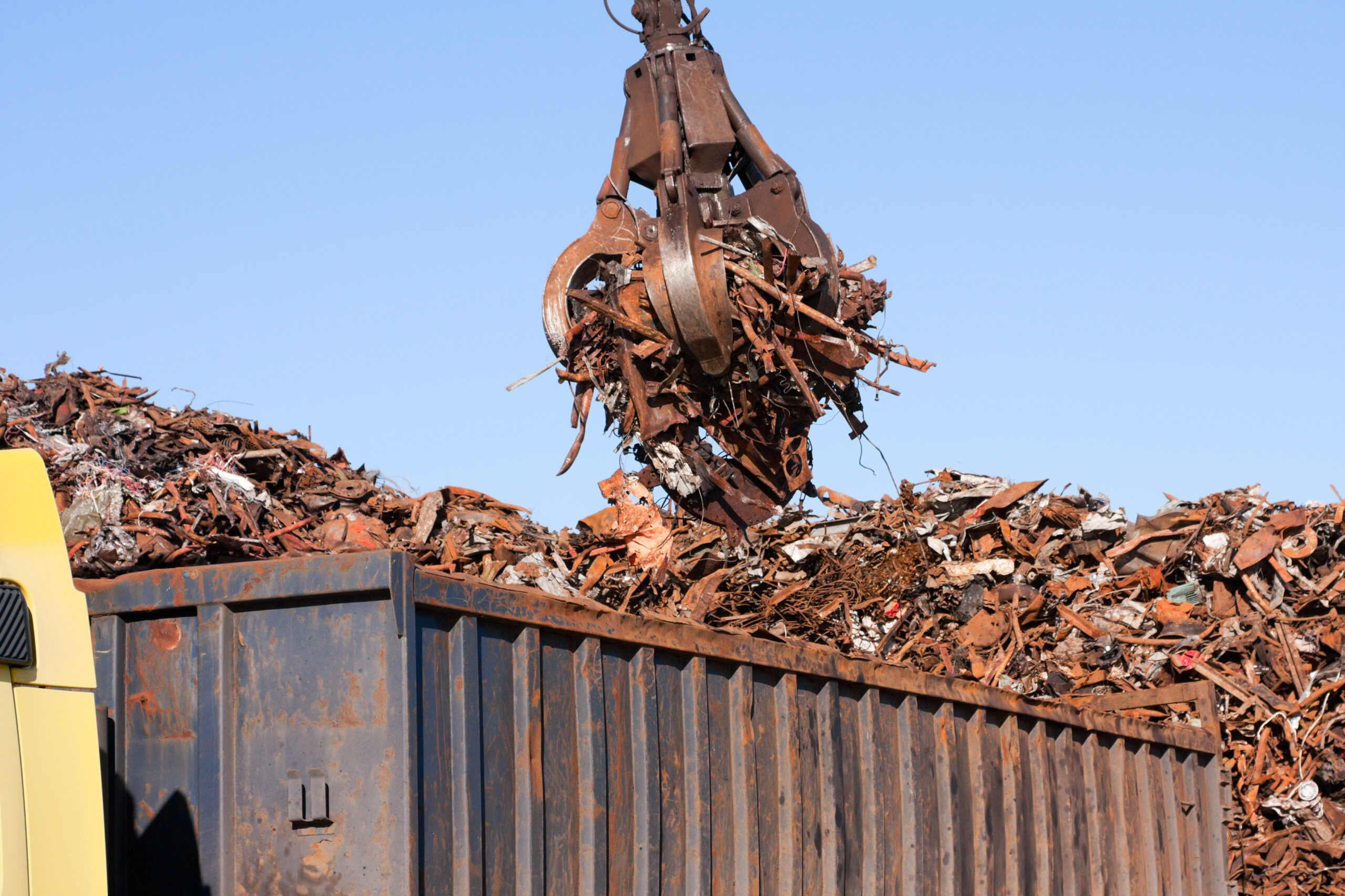
With waste management becoming a bigger concern, industrial metal recycling is a vital way to reduce landfill waste and save resources. It turns discarded metals into reusable materials while cutting down on environmental harm. Below, we break down the process, benefits, challenges, and initiatives tied to industrial metal recycling, and how it fosters sustainability.
Transforming Waste into Resources
Industrial metal recycling involves repurposing metals such as steel, aluminum, and copper into reusable resources. This not only prevents waste from piling up in landfills but also conserves natural resources by reducing the need for raw material extraction.
- Reduced Landfill Waste: Recycling metals significantly decreases the volume of industrial waste sent to landfills.
- Energy Conservation: Recycling consumes far less energy compared to producing metals from virgin ore.
- Preserving Natural Resources: By reusing metals, industries can help protect finite natural resources.
- Lower Greenhouse Gas Emissions: Recycling minimizes the emissions generated during mining and metal production.
- Environmental Protection: Diverting metal waste from landfills reduces pollution and safeguards ecosystems.
How Industrial Metal Recycling Works
The process of industrial metal recycling is multi-faceted and includes the following steps:
- Collection and Sorting: Scrap metals are gathered and categorized based on type and composition.
- Transportation: Materials are sent to recycling facilities for further processing.
- Shredding: Large metal pieces are broken down into smaller fragments.
- Separation and Purification: Metals are separated and refined to ensure quality.
- Reuse in Manufacturing: Purified metals are reintroduced into production cycles, reducing reliance on virgin materials.
Overcoming Challenges in Metal Recycling
While industrial metal recycling offers numerous benefits, it is not without obstacles:
- Contaminants: Coatings, paint, and other impurities can lower the quality of recycled materials.
- Complex Sorting: Differentiating metals based on type and composition can be time-intensive.
- Logistics: Collecting and transporting scrap metal can incur significant costs and energy usage.
Despite these challenges, advancements in recycling technology and industry regulations are addressing these issues to make the process more efficient and widespread.
Supporting Sustainability Through Initiatives and Regulations
Recycling initiatives and regulations are essential for promoting sustainable practices in metal recycling. These efforts focus on:
- Streamlining collection, sorting, and processing of metal waste.
- Encouraging manufacturers to incorporate recycled metals into their products.
- Enforcing environmental standards to ensure responsible recycling practices.
Partnering with Greenway Metal Recycling
Greenway Metal Recycling is committed to helping businesses reduce landfill waste and embrace sustainability. By utilizing advanced recycling technologies and adhering to rigorous waste management protocols, Greenway ensures high-quality recycling services that align with environmental goals.
Why Choose Greenway?
- Expertise in industrial scrap metal recycling.
- Commitment to conserving natural resources and reducing pollution.
- Reliable systems for efficient metal recovery and reuse.
Join Greenway Metal Recycling in building a greener future. Contact us today to learn how your business can make a positive environmental impact through industrial scrap metal recycling.