
Spring Cleanout for Businesses: How to Recycle Scrap Metal & E-Scrap the Right Way (April Guide)
April 25, 2026
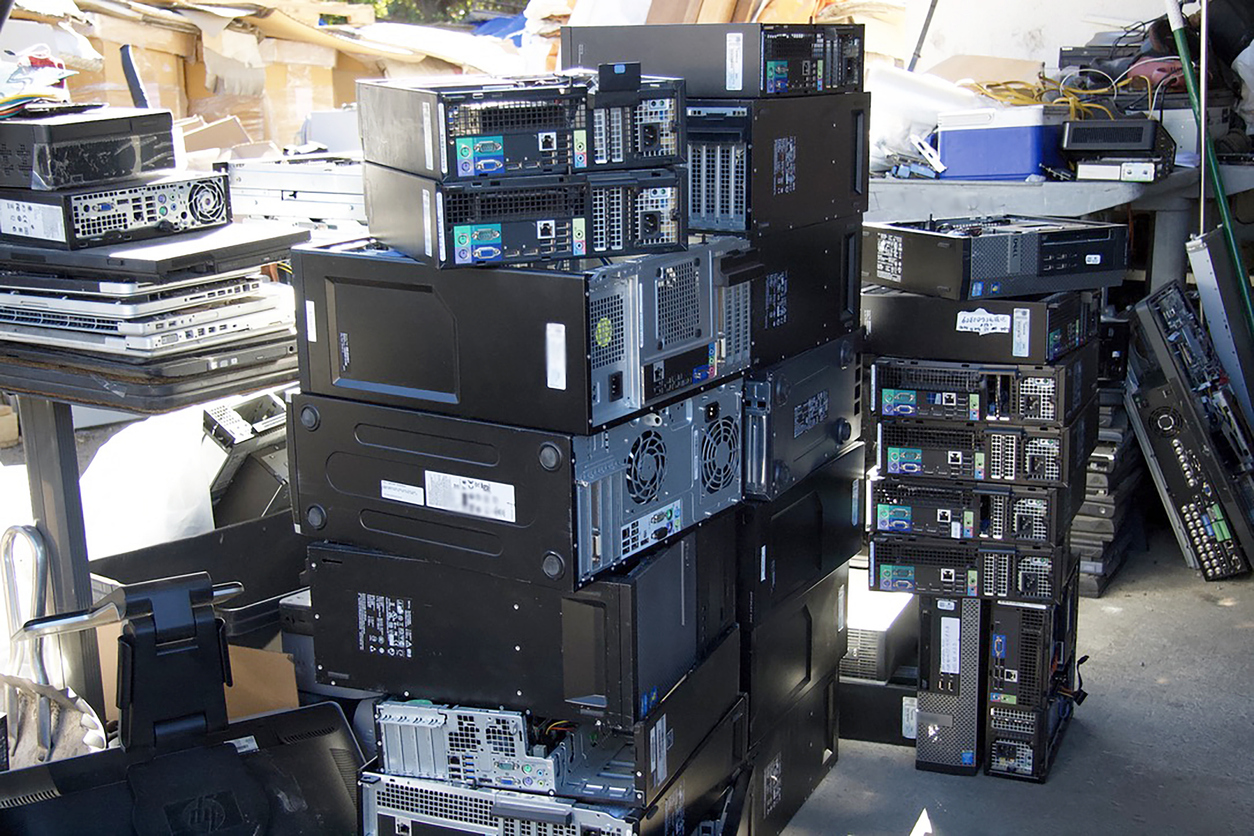
April is one of the most effective times for businesses to recycle scrap metal and e-scrap because facilities are clearing out Q1 buildup, upgrading equipment, and preparing for peak production. Working with a commercial recycler ensures secure handling, proper documentation, and maximum material value recovery.
Why April Is the Best Time for Scrap & E-Scrap Recycling
In most industrial and commercial facilities, scrap builds up gradually through production, maintenance, and equipment changes.
By April:
- Q1 projects are complete
- Equipment upgrades are underway
- Storage and production areas begin to tighten
This is typically when businesses recognize how much unused material is taking up valuable space.
A structured spring cleanout helps:
- Open up production and warehouse capacity
- Remove outdated or unused materials
- Convert scrap into usable capital
- Reduce compliance and data security risks
What Businesses Actually Find During a Spring Cleanout
Most companies expect to clear out a few items. In reality, spring cleanouts usually uncover far more material than anticipated.
Common Scrap Metal Found On-Site
- Steel and stainless from production overages
- Aluminum scrap from fabrication or extrusion
- Copper wire, bussing, and electrical components
- Brass fittings, valves, and fixtures
- Metal components recovered from obsolete or dismantled equipment
Common E-Scrap Found in Facilities
- Pallets of outdated computers and laptops
- Servers and networking equipment from past upgrades
- Hard drives stored for future handling
- Control panels, circuit boards, and industrial electronics
- Backup or duplicate IT equipment
In many cases, these materials remain untouched for years—not because they lack value, but because no clear process exists to handle them.
The #1 Mistake Businesses Make During Spring Cleanouts
The biggest issue isn’t failing to recycle—it’s waiting too long to organize and move material.
We often see:
- Scrap mixed together, reducing its value
- High-value metals (like copper and stainless) treated as general scrap
- E-scrap stored indefinitely due to data security concerns
- Materials taking up space long after they’re no longer needed
The result: lost revenue, reduced efficiency, and unnecessary risk.
How to Properly Dispose of Scrap Metal & E-Scrap (Without Risk)
A successful cleanout is structured—not rushed.
A Proven Approach
- Identify material streams
Separate scrap metal, electronics, and mixed materials - Isolate higher-value metals
Copper, aluminum, and stainless should be separated when possible - Secure data-bearing devices
Hard drives and servers should be handled through certified destruction - Plan for volume-based removal
Commercial recycling is designed for truckload quantities - Work with a recycler that provides documentation
Especially for e-scrap and compliance tracking
For electronics, documentation such as a Certificate of Destruction is essential for accountability.
Why Commercial Scrap Recycling Is Different (And Why It Matters)
Not all recyclers are equipped to handle business-level volume or requirements.
For commercial and industrial companies, the process must be:
- Scalable
- Secure
- Documented
- Efficient
Greenway focuses specifically on scrap metal and recyclable materials, not the resale or refurbishment of complete equipment.
Their process is built for business needs:
- Truckload pickups only (no public drop-offs)
- No charges for transportation, fuel, or equipment
- Scrap audits to uncover missed value
- Certificates of Destruction for e-scrap
- Get Paid in 5 Business Days
Where Businesses Gain the Most Value (And Often Miss It)
The biggest financial opportunity is often in overlooked materials.
Common Missed Opportunities
- Copper stored with mixed metal instead of separated
- Aluminum scrap treated as lower-grade material
- Equipment containing recoverable metal that hasn’t been properly separated
- E-scrap sitting unused due to uncertainty around secure disposal
A well-managed cleanout often recovers more value than expected.
How Scrap Audits Turn Cleanouts Into Measurable Value
A scrap audit helps businesses move beyond basic cleanup and improve long-term results.
It allows companies to:
- Identify all recyclable material streams
- Improve internal handling and separation
- Capture higher-value materials correctly
- Reduce unnecessary disposal costs
For larger operations, this can turn scrap into a consistent, ongoing revenue stream tied to production activity.
People Also Ask (FAQ Section)
When should a business schedule a scrap pickup?
April through early summer is ideal, especially after Q1 when facilities begin clearing space and upgrading equipment.
What’s the difference between e-waste and e-scrap?
E-scrap refers to electronics with recoverable material value, while e-waste is a broader term that may include non-recyclable items.
Do we need to wipe hard drives before recycling?
No—but you should work with a recycler that provides secure data destruction and documentation.
How much material is needed for pickup?
Commercial recyclers typically require truckload quantities and do not service small or residential loads.
Does scrap metal have value?
Yes—especially copper, aluminum, and stainless steel when properly separated and processed.
How to Start a Spring Scrap Cleanout (Without Disrupting Operations)
The most effective cleanouts are planned—not reactive.
Start by:
- Identifying areas where material has accumulated
- Grouping similar scrap types
- Flagging outdated electronics for secure handling
- Scheduling removal around your production flow
This approach improves efficiency without interrupting daily operations.
Why Businesses Choose Greenway Metal Recycling
- Commercial & industrial focus only
- No public drop-offs or small loads
- No charges for transportation, fuel, or equipment
- Scrap audits that uncover hidden value
- Certificates of Destruction for e-scrap
- Fast turnaround — Get Paid in 5 Business Days
Schedule Your Spring Scrap Audit
If your facility has scrap piling up or outdated electronics taking space, now is the time to act.
Greenway Metal Recycling will help you identify value, remove materials efficiently, and handle everything the right way—from logistics to documentation. Contact us today!