
How Businesses Should Dispose of Old Computers
March 28, 2026
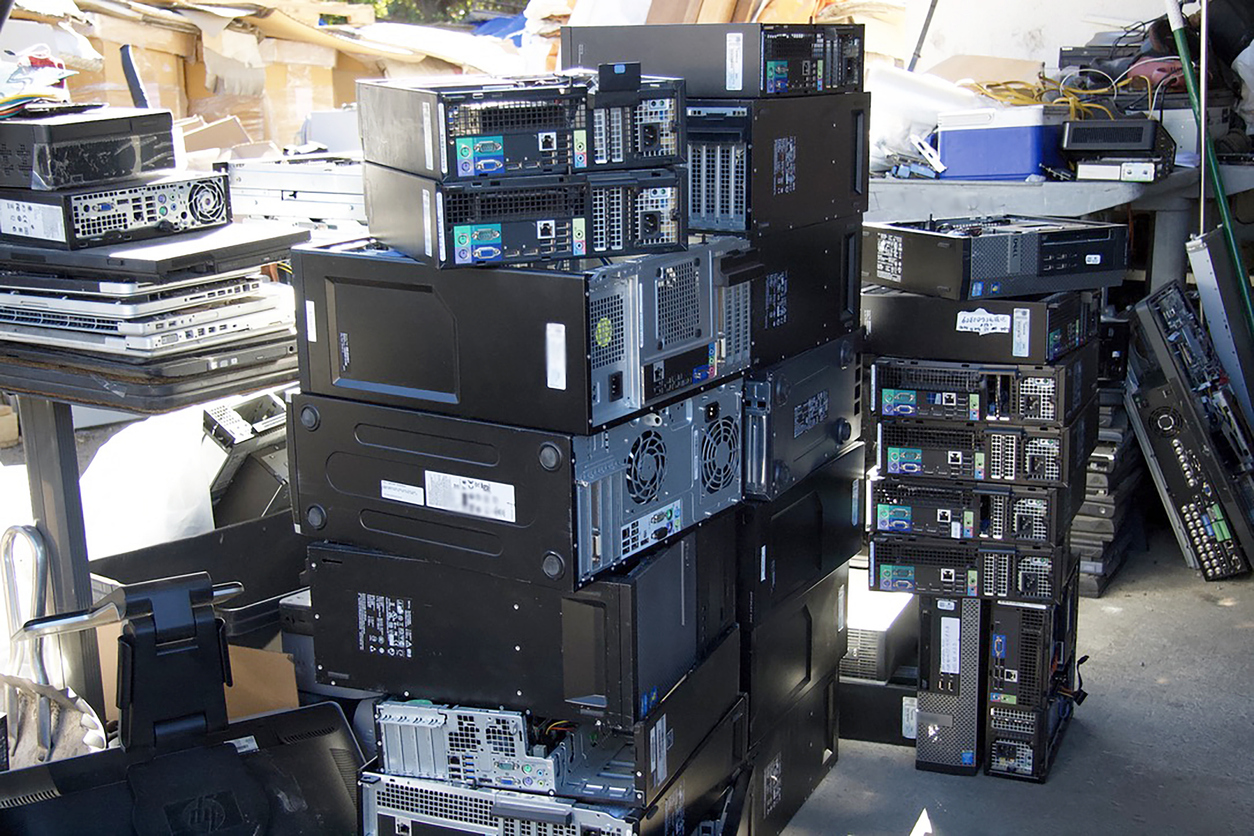
Businesses replace computers regularly as hardware ages, software requirements change, or systems are upgraded. As equipment is retired, companies often accumulate outdated desktops, laptops, and other electronic devices that must be handled properly.
The most common way businesses dispose of old computers is by working with an electronics recycler that can securely handle data-bearing devices and process equipment for material recovery. During recycling, devices are collected, storage media such as hard drives are identified and handled appropriately, and the remaining equipment is dismantled so materials like metals and electronic components can be recycled.
Proper disposal helps protect sensitive business data while ensuring valuable materials contained in electronic equipment can be recovered through appropriate recycling processes.
Why Businesses Replace Computers
Most companies update computer equipment every three to five years. Technology upgrades, cybersecurity requirements, and performance needs all contribute to these replacement cycles.
As equipment is retired, businesses may accumulate:
- desktop computers
- laptop computers
- monitors and accessories
- servers or networking equipment
- storage devices and backup drives
Rather than storing unused equipment indefinitely, recycling allows businesses to clear space and manage outdated electronics responsibly.
Identify Devices That May Contain Data
Before computers are recycled, businesses should identify equipment that may contain stored information.
Common devices that store data include:
- desktop computers
- laptop computers
- servers
- hard drives
- solid-state drives
- external storage devices
These devices should be handled carefully before entering the recycling process.
Protect Sensitive Business Data
Protecting company data is one of the most important steps when disposing of computers.
Storage media such as hard drives or solid-state drives may be securely sanitized or physically destroyed before recycling. This helps ensure sensitive information cannot be recovered once the equipment leaves the organization.
Businesses that require documentation may request Certificates of Destruction for storage media.
Prepare Equipment for Recycling
After storage devices are addressed, computers can be prepared for recycling.
Electronic equipment is typically dismantled so materials can be separated into recycling streams. Components such as circuit boards, wiring, and metal housings often contain recyclable materials that can be recovered during processing.
Recover Valuable Materials From Electronics
Computers contain metals and electronic components that can be recovered during recycling.
Examples include:
- copper wiring
- aluminum housings
- steel frames
- circuit boards containing metals used in electronics manufacturing
Recovering these materials helps reduce waste while returning valuable resources to manufacturing supply chains.
Businesses That Often Need Computer Recycling
Many organizations replace computers in batches during technology upgrades, which can create significant volumes of electronic scrap.
Common examples include:
- manufacturing companies
- corporate offices
- schools and universities
- healthcare facilities
- IT departments and technology firms
These organizations often replace multiple computers at once during system upgrades or infrastructure changes.
Proper Computer Recycling
Working with a qualified electronics recycler helps ensure retired computers are handled appropriately and materials are processed correctly.
Businesses that generate electronic scrap can learn more about business electronics recycling and how outdated equipment is processed through proper recycling systems.
Frequently Asked Questions
How do businesses recycle old computers?
Businesses typically recycle computers through an electronics recycling facility. Devices are collected, data-bearing components are identified, and equipment is dismantled so recyclable materials such as metals and circuit boards can be recovered.
What happens to hard drives when computers are recycled?
Hard drives are identified during intake and separated for secure handling. Storage devices may undergo secure data sanitization or physical destruction before materials enter the recycling process.
Is it safe to recycle business computers?
Yes. Responsible electronics recyclers identify devices that may contain storage media and handle them separately. Storage devices may be sanitized or destroyed so sensitive data cannot be recovered.
What parts of computers can be recycled?
Computers contain recyclable materials such as copper wiring, aluminum housings, steel frames, and electronic circuit boards. These materials can be recovered and returned to manufacturing supply chains.
Partner with a Trusted Electronics Recycler
Businesses regularly replace computer equipment as technology evolves. Proper disposal ensures outdated computers are handled responsibly, sensitive data is protected, and valuable materials contained in electronic equipment can be recovered.
Organizations planning to dispose of old computers should work with an experienced electronics recycler to ensure equipment is processed through appropriate recycling systems.
Partner with Greenway Metal Recycling to securely dispose of your old computers, protect sensitive data, and recover valuable materials—responsibly and efficiently. Contact us today to schedule your electronics recycling service.