
Business Electronics Recycling & Secure E-Scrap Processing
Businesses regularly replace computers, servers, networking equipment, and other electronic devices as technology evolves. When that equipment reaches the end of its useful life, it becomes electronic scrap that must be handled properly.
Greenway Metal Recycling works with companies that generate electronic scrap during technology upgrades, facility improvements, and infrastructure changes. Our electronics recycling process helps businesses dispose of outdated equipment while ensuring materials contained in electronic devices can be recovered through appropriate recycling systems.
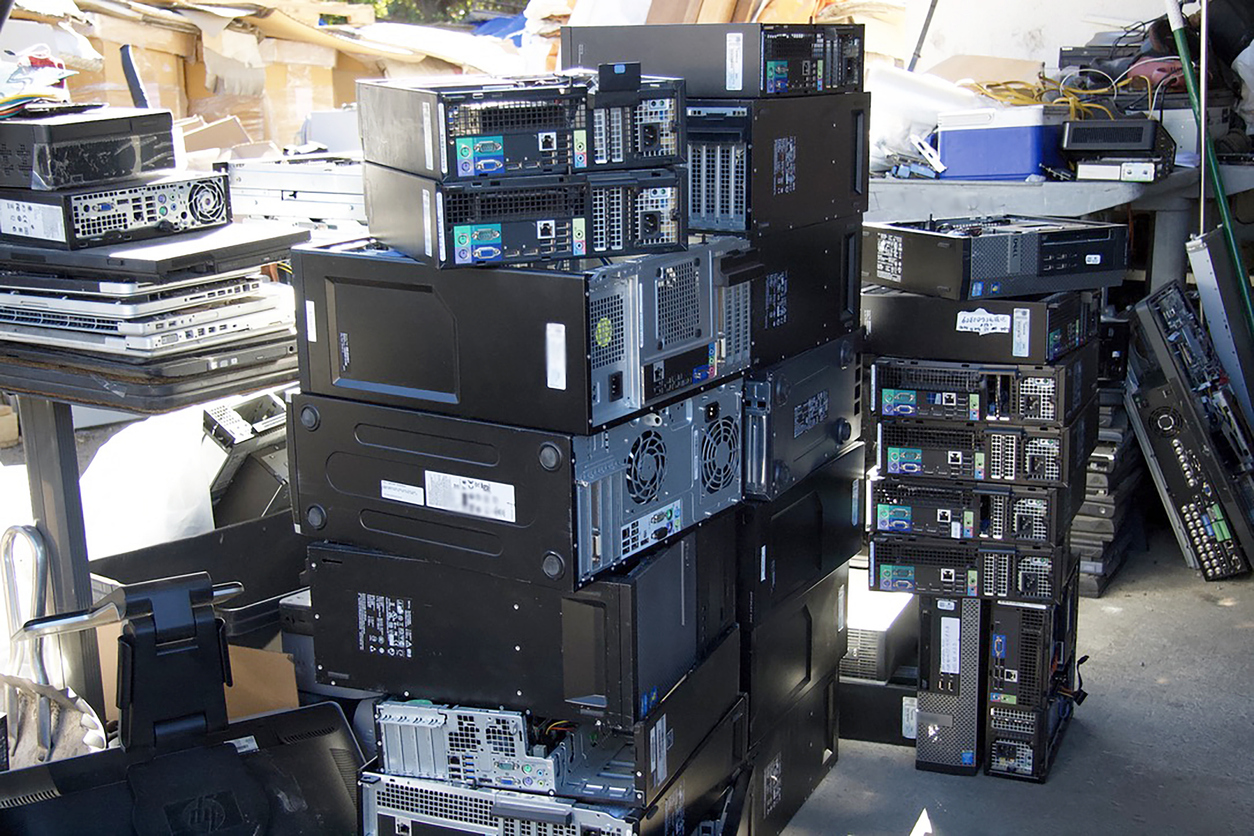
How Business Electronics Recycling Works
Businesses that recycle electronic equipment typically follow a structured process designed to protect sensitive data and ensure materials are handled responsibly.
- Equipment Intake
Electronic equipment is received and entered into the recycling process. This may include computers, servers, networking equipment, and other electronic components.
- Identification of Data-Bearing Devices
Devices that may contain storage media, such as hard drives or solid-state drives, are identified and separated for secure handling.
- Data Protection Procedures
When necessary, storage devices may be securely sanitized or physically destroyed to prevent recovery of stored information.
- Equipment Dismantling
Electronic equipment is dismantled so metals, circuit boards, and electronic components can be separated.
- Material Recovery
Recovered materials such as copper, aluminum, steel, and circuit board metals are processed through recycling streams and returned to manufacturing supply chains.
How E-Scrap Is Priced

1. Grade & Metal Content
Sorted, clean material commands higher pricing; Recoverable metal content

2. Volume & Consistency
Truckload volumes enable program pricing. Cleanliness and sorting matters.

3. Market Conditions
Final payout reflects current copper and precious-metal markets
What you get: Most e-scrap is priced by the pound, with stronger returns for clean, well-sorted bulk loads.
IT Equipment Disposal & Commercial Electronics Recycling
Many businesses replace technology on a regular cycle. Proper disposal of these assets is an important part of managing IT infrastructure and electronic scrap.
Greenway works with organizations that need commercial electronics recycling and IT equipment disposal for equipment such as:
- desktop computers and laptops
- servers and rack equipment
- networking hardware
- storage drives and backup systems
- office electronics and components
Recycling outdated electronics helps businesses manage retired equipment while allowing materials to be recovered through appropriate recycling processes.
Secure Handling of Data-Bearing Electronics
Many business electronics contain sensitive company or client information. Equipment such as computers, servers, and storage drives requires careful handling before entering the recycling process.
During intake, devices that may contain stored data are identified and separated, including:
- hard drives (HDD)
- solid-state drives (SSD)
- network storage systems
- backup drives
- server storage arrays
Depending on the situation, storage media may be securely sanitized or physically destroyed before the equipment enters the recycling process.
Businesses that require documentation may request Certificates of Destruction for storage media.
Chain of Custody for Electronic Equipment
Businesses often need assurance that retired equipment is handled responsibly once it leaves their facility.
Greenway follows a structured chain-of-custody process designed to maintain accountability throughout the recycling process.
Typical procedures include controlled intake, secure storage, identification of data-bearing devices, appropriate handling of storage media, dismantling of electronic equipment, and downstream processing through qualified recycling partners.
This process helps ensure electronic equipment is managed responsibly from intake through final material recovery.

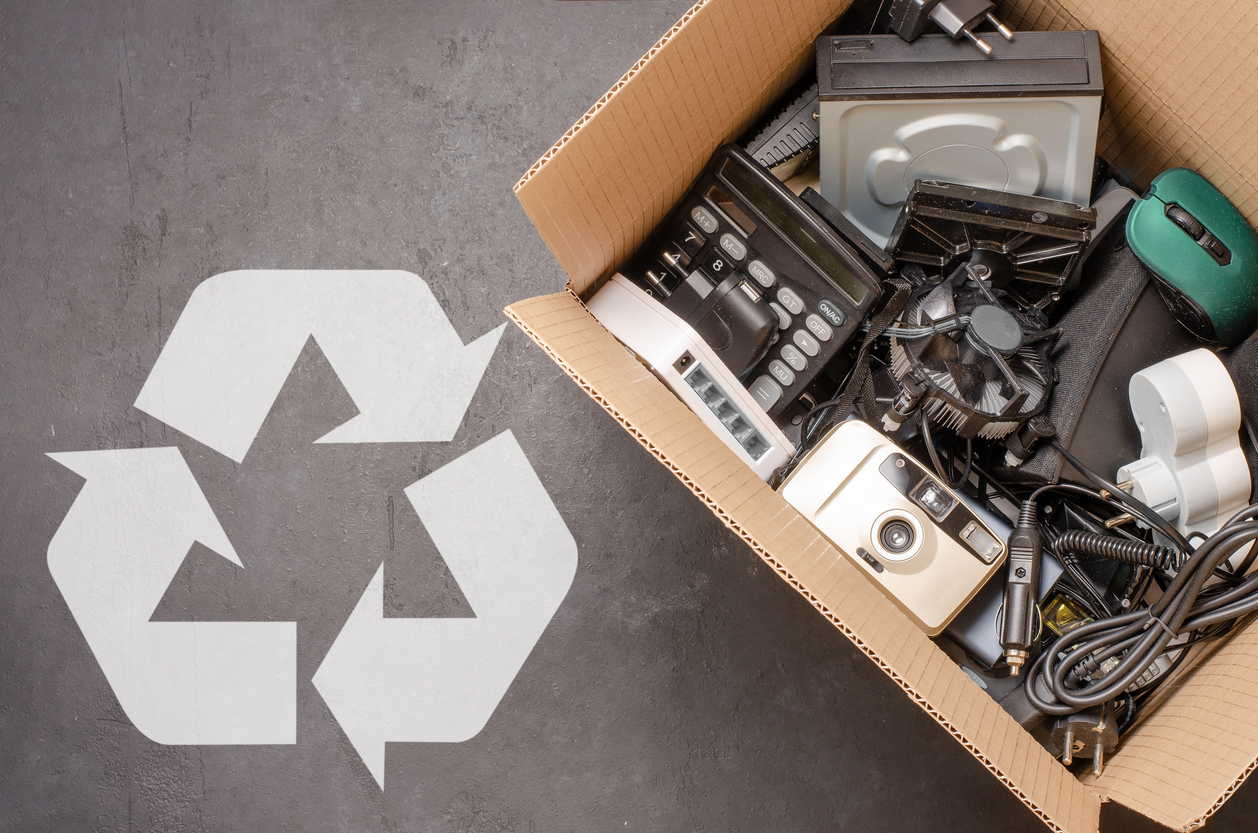
Server, Computer & Hard Drive Recycling
- Technology upgrades often generate large volumes of electronic equipment. Greenway works with businesses to recycle equipment such as:
Computer Equipment
- desktop computers
- laptop computers
- computer towers and components
- monitors and display equipment
Data Center Equipment
- rack servers
- storage arrays
- server components
- data center hardware
Networking Equipment
- switches
- routers
- firewalls
- telecommunications hardware
Storage Devices
- hard drives
- solid-state drives
- backup drives
- external storage devices
Miscellaneous Electronics
- circuit boards and electronic components
- power supplies and UPS systems
- office electronics
If your organization has equipment not listed here, Greenway can help determine the appropriate recycling approach.
Electronic Scrap Materials That Contain Valuable Metals
Many electronic devices contain metals that can be recovered during recycling. Even when equipment is outdated, internal components may still contain valuable materials.
Examples include:
- copper wiring and connectors
- aluminum heat sinks and housings
- steel frames and structural components
- circuit boards containing recoverable metals
Electronic circuit boards are often among the most valuable electronic scrap materials because they contain concentrated metals used in electronics manufacturing.
Businesses interested in learning more about how electronic scrap materials are processed can also read our guide to e-scrap recycling for businesses.
Businesses That Generate Electronic Scrap
Many organizations generate electronic scrap as part of normal operations, especially during technology upgrades and infrastructure changes.
Industries that commonly produce e-scrap include:
Manufacturing Companies
Production facilities frequently replace computers, industrial electronics, and automation equipment during plant upgrades.
Corporate Offices
Office environments generate electronic scrap when computers, monitors, printers, and communication equipment are replaced.
Schools and Universities
Educational institutions regularly upgrade classroom computers, servers, and networking infrastructure.
Healthcare Facilities
Medical offices and healthcare systems often retire computers, servers, and specialized electronic equipment.
IT Departments and Data Centers
Organizations managing servers and storage infrastructure regularly upgrade hardware, generating significant volumes of electronic scrap.
Responsible Electronics Recycling & Material Recovery
Electronic equipment contains metals and materials that can be recovered through proper recycling processes.
Materials commonly recovered include:
- copper
- aluminum
- steel
- circuit board metals
- plastics
Many of the materials recovered during electronics processing are supported by Greenway’s broader metal recycling services, allowing valuable resources to be returned to manufacturing supply chains.
Frequently Asked Questions About Business Electronics Recycling
How do businesses recycle old computers?
Businesses typically recycle computers through an electronics recycling facility. Devices are collected, data-bearing components are identified, and equipment is dismantled so recyclable materials such as metals and circuit boards can be recovered.
What happens to hard drives when they are recycled?
Hard drives are identified during intake and separated for secure handling. Storage devices may undergo secure data sanitization or physical destruction before materials enter the recycling process.
Is electronics recycling secure for company data?
Responsible electronics recyclers identify devices that may contain storage media and handle them separately. Storage devices may be sanitized or destroyed to prevent recovery of stored information.
How do companies dispose of servers and data center equipment?
Servers and data center equipment are dismantled and separated into recyclable components such as metals, circuit boards, and electronic assemblies. Storage media may be handled securely before recycling.
Schedule Business Electronics Recycling
If your organization has outdated computers, servers, or electronic equipment ready for disposal, Greenway Metal Recycling can help.
Our team works with businesses to manage commercial electronics recycling and responsible e-scrap processing.
Contact Greenway to discuss your electronic scrap and schedule business electronics recycling services.