
Ferrous vs. Non-Ferrous Metals: Key Differences Explained
September 6, 2025
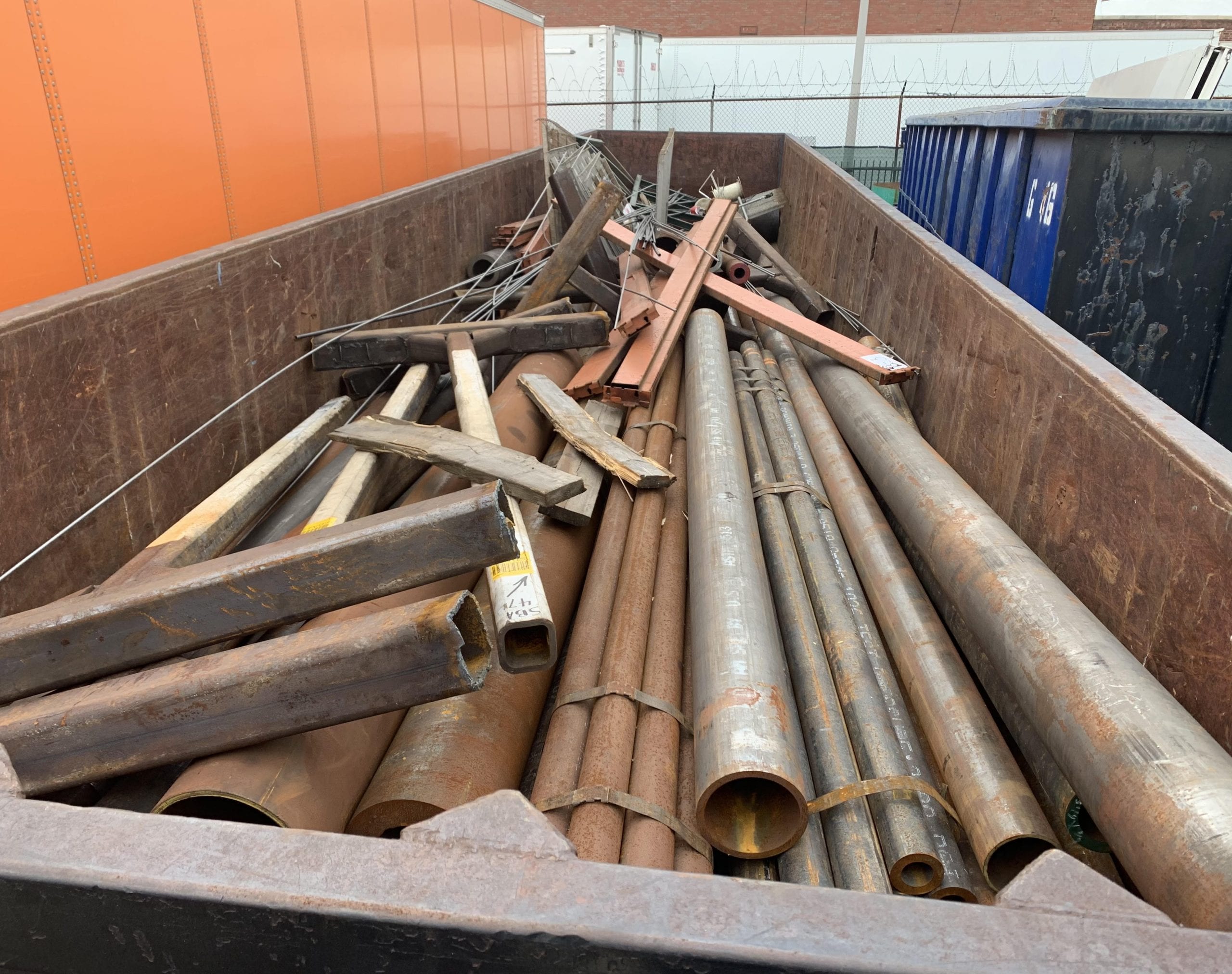
When it comes to industrial scrap metal recycling, one of the most important distinctions you’ll hear is between ferrous and non-ferrous metals. Knowing the difference can save businesses money, improve recycling efficiency, and ensure materials end up in the right place.
If you’ve ever wondered what sets these two groups apart, which industries rely on them, or how they impact scrap value, you’re in the right place.
What Are Ferrous Metals?
Ferrous metals are metals that contain iron. They’re strong, magnetic, and widely used in construction, manufacturing, and heavy industry. Because of their strength and durability, ferrous metals form the backbone of modern infrastructure.
Common Characteristics of Ferrous Metals:
- Magnetic (most of them)
- Prone to rust without protective coatings
- Strong and durable for structural use
Examples of Ferrous Metals:
- Carbon steel – Used in tools, machinery, and structural beams
- Cast iron – Found in pipes, automotive parts, and cookware
- Wrought iron – Used historically in fencing and railings
- Stainless steel – Corrosion-resistant, found in medical and food-grade equipment
Ferrous scrap is abundant and easy to recycle. Steel, for example, is one of the most recycled materials in the world.
What Are Non-Ferrous Metals?
Non-ferrous metals are metals that do not contain iron. They’re valued for being lightweight, corrosion-resistant, and highly conductive. Because they resist rust and offer unique properties, non-ferrous metals are used in industries where performance and reliability matter most.
Common Characteristics of Non-Ferrous Metals:
- Non-magnetic
- Corrosion-resistant
- Lightweight or highly conductive (depending on the type)
Examples of Non-Ferrous Metals:
- Aluminum – Found in aircraft, beverage cans, and construction materials
- Copper – Essential for electrical wiring, plumbing, and electronics
- Brass & Bronze – Used in decorative fixtures, valves, and bearings
- Lead – Common in batteries and shielding materials
- Zinc – Used for galvanizing steel and in die-casting
Non-ferrous scrap metals generally carry a higher value per pound than ferrous metals, making them particularly attractive for recycling.
Key Differences Between Ferrous and Non-Ferrous Metals
Here’s a quick breakdown of what sets them apart:
| Feature | Ferrous Metals | Non-Ferrous Metals |
|---|---|---|
| Iron Content | Contains iron | No iron content |
| Magnetic | Usually magnetic | Non-magnetic |
| Rust/Corrosion | Can rust without coating | Resist corrosion |
| Strength | Strong and heavy-duty | Lightweight or specialized |
| Value | Lower scrap value | Higher scrap value |
| Common Uses | Construction, automotive, machinery | Electrical, aerospace, packaging, electronics |
Why Does the Difference Matter for Industrial Scrap?
For industrial and commercial companies, sorting scrap metal correctly is crucial. Here’s why:
- Recycling Value – Non-ferrous metals like copper and aluminum often bring significantly higher payouts than ferrous metals.
- Efficiency – Proper sorting speeds up the recycling process, reducing handling costs.
- Sustainability – Recycling both ferrous and non-ferrous metals keeps valuable resources in circulation and out of landfills.
- Compliance – Some industries must properly dispose of or recycle materials to meet environmental regulations.
By identifying and separating ferrous from non-ferrous scrap, businesses can maximize returns and minimize waste.
How to Tell the Difference Quickly
If you’re unsure what type of metal you have, try these simple checks:
- Magnet Test:
- If a magnet sticks, it’s ferrous.
- If it doesn’t, it’s non-ferrous.
- If a magnet sticks, it’s ferrous.
- Rust Check:
- Rust usually means ferrous.
- Non-ferrous metals typically don’t rust (though they may tarnish).
- Rust usually means ferrous.
- Weight:
- Ferrous metals are generally heavier.
- Non-ferrous metals, like aluminum, feel lighter for their size.
- Ferrous metals are generally heavier.
FAQs About Ferrous and Non-Ferrous Metals
Q: Which is more valuable in scrap?
A: Non-ferrous metals usually command higher prices per pound. Copper and brass, for example, often sell for several times the price of scrap steel.
Q: Can both ferrous and non-ferrous metals be recycled?
A: Yes. Both types are recyclable, though the process differs. Steel can be melted down repeatedly without losing strength, while non-ferrous metals like aluminum and copper maintain their properties through recycling as well.
Q: Why do non-ferrous metals cost more?
A: Non-ferrous metals are less abundant, require more specialized processing, and often have higher demand in industries like aerospace, electronics, and renewable energy.
Q: Do I need to sort ferrous and non-ferrous metals before recycling?
A: While many recyclers can do the sorting for you, separating metals in advance often leads to faster processing and higher payouts.
Key Takeaways
- Ferrous metals contain iron, are magnetic, and are widely used in construction and heavy industries.
- Non-ferrous metals don’t contain iron, resist rust, and are highly valuable in electrical, aerospace, and specialty applications.
- Ferrous scrap is more common, while non-ferrous scrap commands higher value.
- Simple tests like using a magnet can quickly help identify the type of metal.
- Proper sorting of industrial scrap maximizes recycling returns and efficiency.
Ready to Turn Your Scrap Metal into Cash—Fast and Hassle-Free?
At Greenway Metal Recycling, Chicago-area commercial and industrial businesses get more than just a scrap metal service—they get a trusted partner. With over 50 years of combined experience, we offer full-service solutions—from transportation and equipment to processing both ferrous and non-ferrous metals.
What sets us apart:
- Free scrap audit and consultation to help you maximize value
- No charges for transportation, fuel, equipment, or paperwork
- Fastest payments in town—you get paid in just 5 business days, compared to the 2–6 week industry average
Whether you’re recycling heavy steel or high-value copper, let Greenway streamline the process, deliver exceptional service, and make recycling profitable. Contact us today and see why Chicagoland businesses count on Greenway for reliability, transparency, and sustainability.