
Corrosion vs. Rust: What’s the Difference?
October 5, 2024
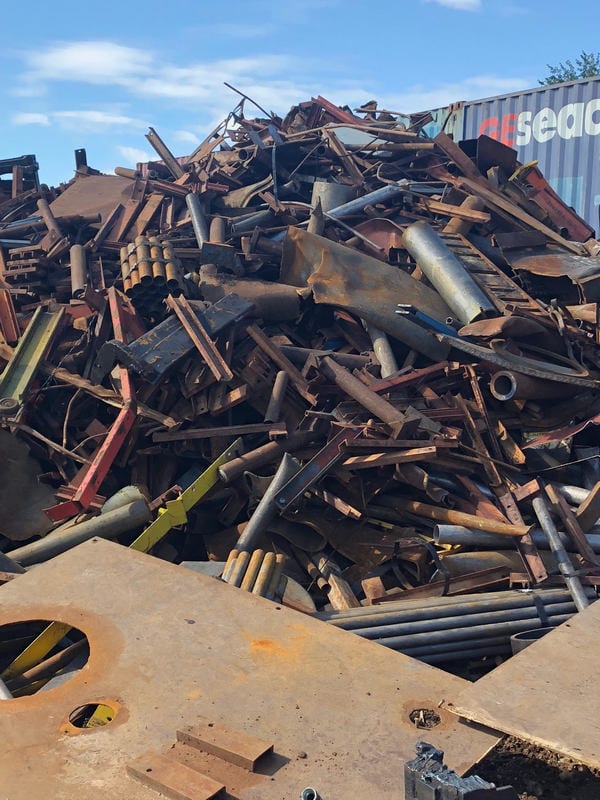
Ever find yourself wondering if corrosion and rust are just different words for the same thing? While they might seem similar, they’re actually quite distinct. Let’s break down why metals corrode, how to tell corrosion and rust apart, and what you can do with that rusty metal piling up.
Why Do Metals Corrode?
Metals like gold, silver, and platinum are found in nature in their pure, metallic form because they’re not very reactive—they don’t easily combine with other elements. Most other metals, like iron and aluminum, are more reactive. We extract these from ores and turn them into the metals we use every day through industrial processes.
Because these metals are eager to react with elements around them, they tend to revert back to more stable forms when exposed to the environment. This natural process is called corrosion. Essentially, the metal reacts with oxygen, moisture, or other chemicals, leading to a gradual breakdown.
Corrosion vs. Rust: Spotting the Difference
So, how exactly do corrosion and rust differ?
Corrosion
Corrosion is the general term for the deterioration of metals due to chemical reactions with their environment. This can happen to any metal. Factors like air, water, acids, salts, and chemicals can all kick-start the corrosion process. Corrosion can change a metal’s appearance, weaken its structure, and even cause it to fail.
Rust
Rust is a specific type of corrosion that only affects iron and its alloys, like steel. For rust to form, iron must be exposed to both oxygen and moisture. This reaction produces iron oxide, that flaky, reddish-brown stuff we all recognize. If left unchecked, rust can eat away at the metal, causing it to crumble.
Key Differences:
- Corrosion can affect any metal and usually requires exposure to air or chemicals.
- Rust only affects iron and its alloys and requires exposure to both air and moisture.
Got Rusty Metal? Here’s the Good News
If you have rusty or corroded metal lying around, don’t just toss it out! Most metals, even if they’re rusted or corroded, can be recycled and put back into good use.
Turn Your Scrap into Cash with Greenway Metal Recycling
Why let that pile of metal gather dust when you can turn it into profit? At Greenway Metal Recycling, we specialize in transforming your scrap metal into something valuable again. Serving the greater Chicago area, we offer comprehensive recycling solutions tailored to your needs.
Ready to make the most of your scrap metal? Contact Greenway Metal Recycling today, and let’s get the ball rolling!
Read next: Ferrous vs. Non-Ferrous Metals: What’s the Difference?