
How to Sort Industrial Scrap Metal for Recycling: A Guide for Businesses
October 19, 2026
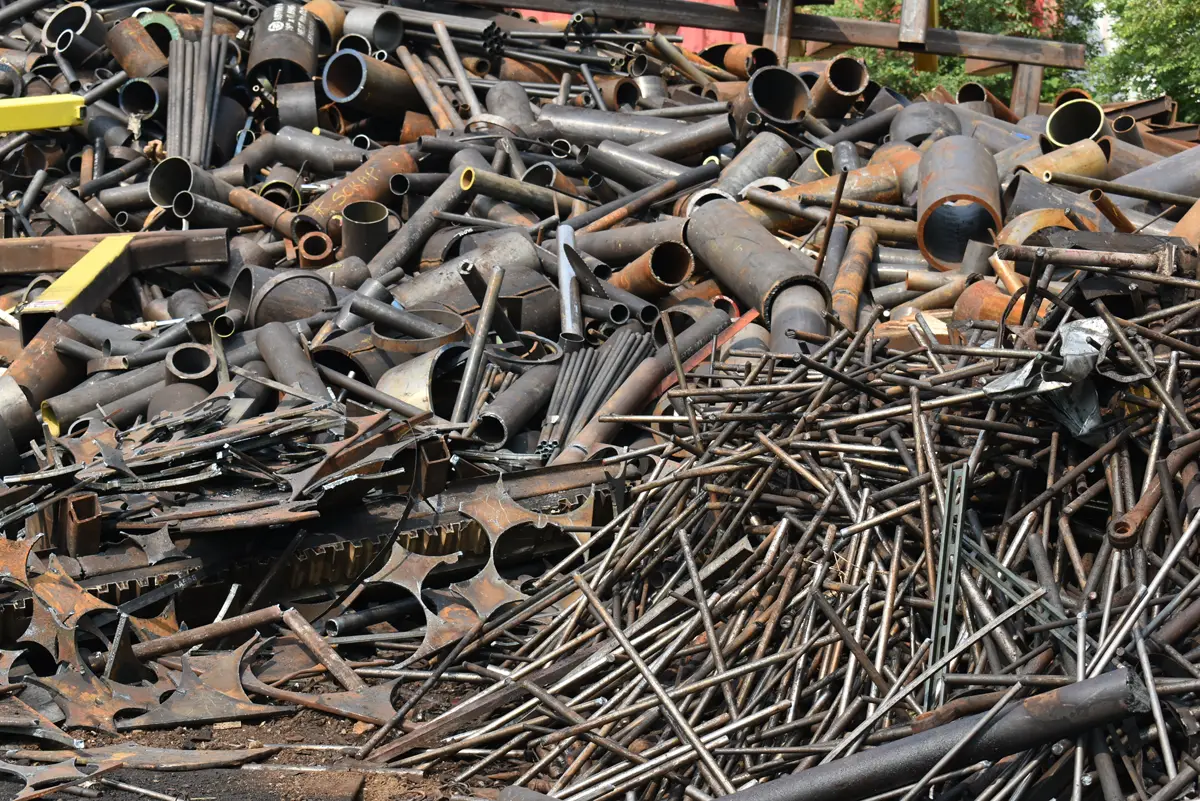
Sorting industrial scrap metal correctly can make grading easier, reduce contamination and help businesses get a clearer understanding of the material they are recycling.
For manufacturers, machine shops, contractors, demolition companies and other high-volume generators, a simple sorting system can also make scrap easier to store and prepare for pickup.
Greenway Metal Recycling works exclusively with commercial and industrial businesses and requires a one-truckload minimum. We do not accept residential scrap or public drop-offs.
Quick Answer: How Should Businesses Sort Scrap Metal?
Separate scrap by metal type and grade whenever practical. Keep aluminum, copper, brass, stainless steel, steel and iron in separate containers, and avoid mixing clean metal with plastics, rubber, fluids or general debris.
Clearly labeled containers can make this much easier for businesses that generate scrap regularly.
Start With Ferrous vs. Non-Ferrous Metals
A good first step is separating iron-based metals from common non-ferrous metals.
Ferrous metals include materials such as carbon steel and cast iron. Non-ferrous metals include aluminum, copper and brass.
A magnet can be a useful first check:
- Strong magnetic attraction: The material is likely an iron-based ferrous metal.
- No magnetic attraction: It may be aluminum, copper, brass or another non-ferrous metal.
However, a magnet is only a starting point. Stainless steel, for example, contains iron, but its magnetic properties vary by grade.
Learn more about ferrous vs. non-ferrous metals.
Separate Aluminum by Type When Practical
Industrial aluminum scrap can include sheet, extrusion, cast material, plate, turnings and other production scrap.
When enough material is generated to justify separate containers, keeping different aluminum streams apart can make grading easier and help prevent one type from being mixed with another.
For more detail, see Greenway’s guide to different types of scrap aluminum.
Keep Copper, Brass and Insulated Wire Separate
Copper and brass should generally be kept separate from steel, aluminum and other metals.
Insulated copper wire should also be separated from clean copper because the insulation affects how the material is graded.
Businesses that generate these materials regularly may benefit from dedicated containers for each scrap stream.
Separate Stainless Steel from Carbon Steel
Stainless steel should generally have its own scrap stream when sufficient volume is generated.
Its alloy content distinguishes it from ordinary carbon steel and can affect grading and value. If employees cannot reliably identify stainless grades, avoid guessing and ask your recycler for guidance.
Keep Turnings and Chips Separate from Solid Scrap
Machine shops and manufacturers often generate turnings, borings and chips in addition to solid production scrap.
Keeping these materials separate is usually helpful because they have different physical characteristics and may contain cutting oils or fluids.
Limit Contamination
Clean, well-separated scrap is easier to evaluate than material mixed with unrelated waste.
Common contaminants include:
- Plastic
- Rubber
- Wood
- Dirt and debris
- Oil or cutting fluids
- Attached dissimilar metals
- General trash
The goal is not to make every piece perfectly clean. It is to avoid unnecessary mixing and contamination whenever practical.
Before spending employee time removing fasteners, coatings or attached materials, ask your recycler whether the extra preparation is likely to make a meaningful difference.
How Does Sorting Affect Scrap Metal Value?
Scrap value depends on several factors, including:
- Metal type and grade
- Material condition
- Cleanliness
- Quantity
- Current commodity market conditions
Sorting does not guarantee a higher price, but it can make grading more accurate and help prevent higher-value material from becoming part of a mixed load.
For businesses generating truckload quantities, small improvements in sorting can add up over time.
Not Sure How Your Scrap Should Be Sorted?
Greenway Metal Recycling offers free scrap audits for commercial and industrial businesses.
A scrap audit can help identify the materials your company generates, determine which scrap streams should be separated and improve the overall recycling process.
Greenway provides:
- One-truckload minimum
- Free scrap audits
- No charge for transportation, fuel or equipment
- Clear grading and accurate weights
- Payment within five business days
If your business generates truckload quantities of scrap metal, contact Greenway Metal Recycling to discuss your recycling program or schedule a free scrap audit.
People Often Ask
Do businesses have to sort scrap metal before pickup?
Not always. However, separating recurring scrap streams by metal type and grade can make identification and grading easier.
Can a magnet identify every type of scrap metal?
No. A magnet is useful for basic sorting, but it cannot reliably identify every metal or alloy. Stainless steel is one common example.
When should a business request a scrap audit?
A scrap audit is useful when a company generates several types of metal, has recurring truckload volumes or wants to improve how scrap is separated and managed.