
Manufacturing Scrap Metal Recycling in the Chicago Area
July 20, 2026
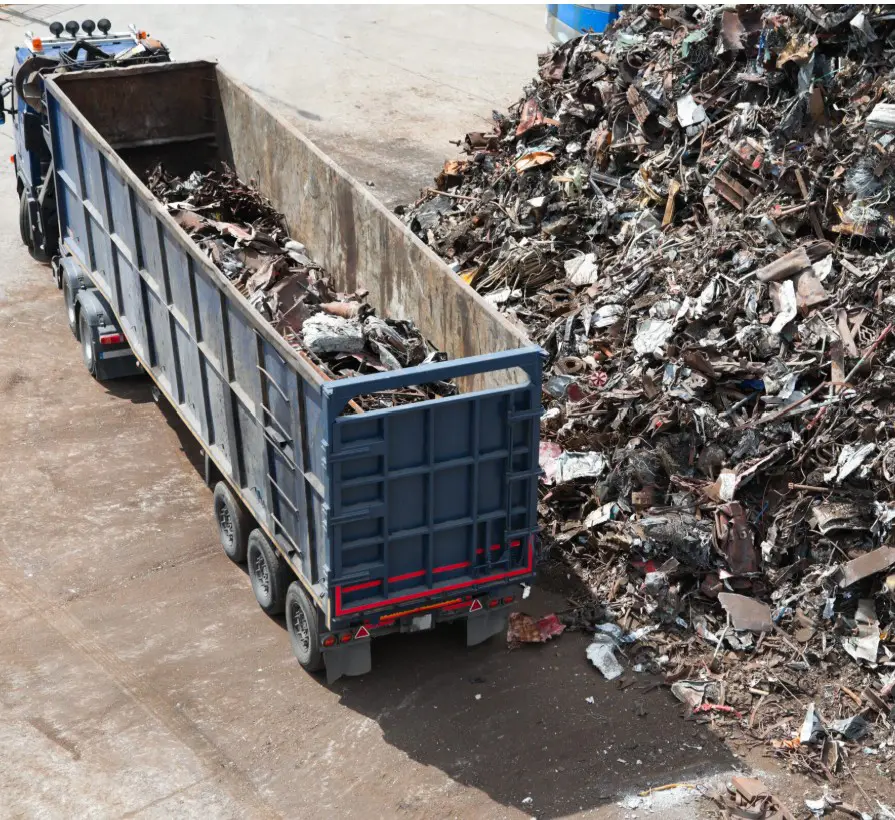
Manufacturing facilities can generate metal every day. Chips, turnings, off-cuts, damaged inventory, obsolete parts, and mixed materials can build up around production areas, maintenance spaces, storage rooms, and loading docks.
When those materials are not managed well, they take up valuable space and may lose value if they are mixed with debris or lower-grade metals.
Greenway Metal Recycling helps commercial and industrial customers in the Chicago area and surrounding region manage truckload-volume scrap with free scrap audits, bulk pickup coordination, clear documentation, and payment processed within 5 business days.
Quick Answer: How Can Manufacturers Recycle Bulk Scrap Metal?
Manufacturers can recycle bulk scrap by identifying and sorting materials, staging them properly, and working with a commercial recycler that coordinates large-volume pickups and recycling logistics. Coordinating pickup schedules and recycling logistics also helps keep materials moving efficiently while minimizing disruptions to production.
Greenway works with manufacturing, machining, industrial, warehouse, and commercial operations that generate truckload quantities of recyclable metal.
The company does not buy from the public, accept residential drop-offs, or take walk-in loads. A one-truckload minimum applies.
Why Manufacturing Scrap Builds Up Fast
Even small amounts of daily scrap can become a larger problem over time. Without a plan, bins overflow, mixed metals pile up, and usable floor space becomes harder to manage.
Common sources include:
- Machining operations
- Fabrication work
- Maintenance projects
- Product changeovers
- Facility reorganizations
- Warehouse cleanouts
- Damaged or outdated inventory
A planned cleanout helps your team review what has accumulated, separate higher-value materials, and keep work areas easier to manage. Establishing a consistent collection process makes it easier to keep recyclable materials organized and ready for scheduled pickups.
Common Manufacturing Scrap Metals
Manufacturers and industrial facilities may generate several types of recyclable metal.
Common materials include:
- Aluminum
- Copper
- Brass
- Stainless steel
- Steel
- Iron
- Insulated wire
- Turnings and chips
- Off-cuts and trim
- Obsolete metal parts
- Damaged metal inventory
- Mixed alloys
The value of the load depends on metal type, grade, cleanliness, volume, and current market conditions.
Why Sorting Scrap Can Improve Value
Not all metal has the same recycling value. Copper, aluminum, brass, and stainless steel are non-ferrous metals and are often worth more than common ferrous metals like steel and iron.
When higher-value metals are mixed with lower-value materials, plastics, rubber, fluids, trash, or other contaminants, the load can be harder to grade and may be worth less.
When possible, keep these materials separate:
- Copper
- Aluminum
- Brass
- Stainless steel
- Steel and iron
- Insulated wire
- Clean metal from mixed debris
Simple steps, such as labeling containers or placing hoppers near production points, can make sorting easier for employees and improve the recycling process. Identifying and separating materials as they are generated can simplify handling and improve the overall recycling process.
When Should a Facility Schedule a Scrap Cleanout?
The right time to schedule a cleanout depends on how quickly material is building up and whether it is affecting workflow.
It may be time to schedule pickup when:
- Scrap is taking up production or storage space
- A truckload quantity has accumulated
- Bins or hoppers are overflowing
- Different metals are being mixed together
- Old inventory needs to be cleared
- A maintenance shutdown or facility reset is planned
- Better tracking or documentation is needed
Regular cleanouts can help prevent scrap from becoming an operational problem. Planning pickups around production schedules can also help keep materials moving without interrupting daily operations.
How a Free Scrap Audit Helps
A free scrap audit helps manufacturers understand what they have, how it should be separated, and whether the current process can be improved.
A scrap audit can help answer:
- What metals are being generated?
- Which materials should be separated?
- Are higher-value metals being mixed with lower-value scrap?
- Are containers placed in the right areas?
- Is there enough volume for pickup?
- Is documentation needed?
- What can improve the return?
For facilities with recurring scrap streams, an audit can also help create a cleaner, more consistent recycling program by identifying opportunities to improve material organization, collection, and pickup planning.
Why Fast Payment Matters
Manufacturers manage labor, production schedules, equipment, material costs, and cash flow. Scrap metal may not be the main revenue source, but it should still be handled clearly and efficiently.
Greenway processes payment within 5 business days. That helps commercial and industrial customers turn bulk scrap into recovered value without long payment delays.
Documentation for Industrial Scrap
Many facilities need records showing how materials were handled. Maintaining organized recycling records can also make it easier to track recycling activities over time.
Greenway can provide scale tickets, grading information, and certificates of destruction on request. This can help with internal reporting, compliance needs, sustainability tracking, and documentation for obsolete or controlled materials.
What Greenway Does Not Accept
Greenway is built for commercial and industrial scrap recycling, not small public drop-offs.
Greenway does not buy from the public, accept residential loads, or take walk-in traffic. A one-truckload minimum applies.
Greenway also does not take machinery.
If you are not sure whether your material qualifies, contact Greenway before scheduling pickup.
Schedule a Manufacturing Scrap Metal Cleanout
Manufacturing scrap can either take up space or become a better-managed part of your operation.
With the right plan, facilities can identify recyclable materials, keep production areas organized, improve documentation, and recover value from bulk scrap.
If your facility has a truckload or more of scrap metal, contact Greenway Metal Recycling to schedule a free scrap audit or bulk pickup.
People Often Ask: Manufacturing Scrap Metal Recycling FAQs
Does Greenway pick up manufacturing scrap metal?
Yes. Greenway works with qualifying commercial and industrial customers, including manufacturers and machining operations that generate truckload-volume scrap metal.
What types of manufacturing scrap can be recycled?
Common recyclable materials include aluminum, copper, brass, stainless steel, steel, iron, insulated wire, turnings, chips, off-cuts, trim, obsolete parts, damaged inventory, and mixed alloys.
Does Greenway take machine shop chips and turnings?
Yes. Greenway works with manufacturing and machining customers that generate bulk scrap such as chips, turnings, off-cuts, and obsolete parts.
Should manufacturers sort scrap before pickup?
Yes, when possible. Sorting copper, aluminum, brass, stainless steel, steel, iron, and insulated wire can make grading more accurate and may help improve the value of the load.
What is a scrap audit?
A scrap audit is a review of the scrap metal your facility generates. It helps identify material types, sorting opportunities, container needs, pickup timing, and documentation requirements.
How fast does Greenway pay?
Greenway processes payment within 5 business days.
Does Greenway charge for transportation, fuel, equipment, or scrap audits?
No. Greenway does not charge fees for transportation, fuel, equipment, or scrap audits for qualifying loads.
Does Greenway take machinery?
No. Greenway does not take machinery.
What is Greenway’s minimum pickup amount?
Greenway has a one-truckload minimum, making the service best suited for commercial, industrial, manufacturing, machining, warehouse, and large cleanout customers.