
Understanding the Types of Scrap Metal and Their Value
March 10, 2025
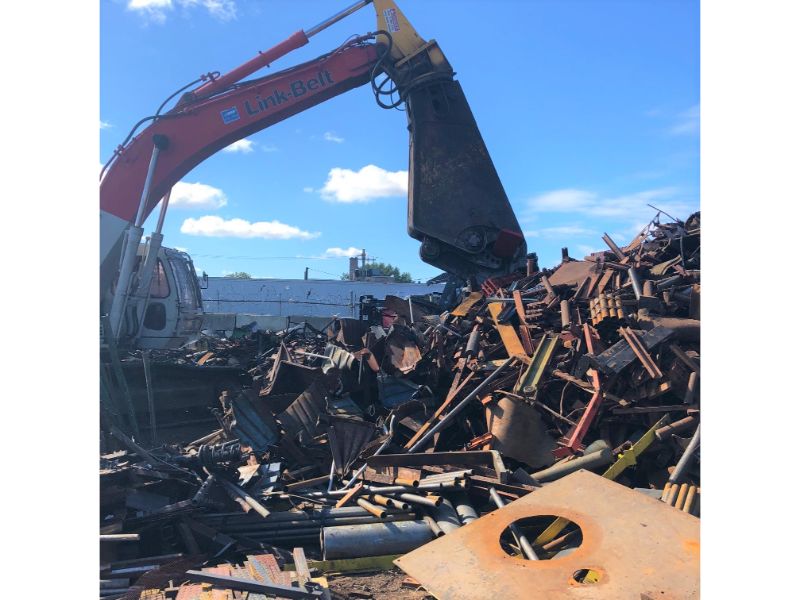
Industrial scrap metal is a valuable resource in the recycling industry, playing a crucial role in sustainability and cost savings for businesses. At Greenway Metal Recycling, we help manufacturers, fabricators, and industrial businesses turn scrap metal into profit while promoting eco-friendly practices.
Whether you’re managing excess materials from production or handling outdated equipment, understanding the different types of industrial scrap metal can maximize your returns and reduce environmental impact.
Common Types of Industrial Scrap Metal
1. Ferrous Metals
Ferrous metals contain iron and are known for their strength and durability. These materials are commonly used in construction, automotive, and heavy machinery.
🔹 Steel – Found in structural beams, rebar, tools, and machinery parts.
🔹 Cast Iron – Used in engine blocks, pipes, and heavy-duty industrial components.
🔹 Stainless Steel – Common in food processing equipment, medical tools, and chemical containers.
💡 Recycling Tip: Ferrous metals are magnetic and can be easily sorted using industrial magnets.
2. Non-Ferrous Metals
Non-ferrous metals do not contain iron, making them resistant to rust and corrosion. They are widely used in electrical systems, plumbing, and aerospace industries.
🔸 Aluminum – Found in wiring, aircraft parts, and beverage cans.
🔸 Copper – A high-value metal used in electrical wiring, plumbing, and motors.
🔸 Brass & Bronze – Used in fittings, valves, and decorative applications.
💡 Recycling Tip: Non-ferrous metals fetch higher prices than ferrous metals due to their long-term durability and resistance to oxidation.
3. Specialty & Precious Metals
These metals are often found in high-tech industries, electronics, and specialized manufacturing.
✨ Nickel – Used in batteries, aerospace materials, and stainless steel alloys.
✨ Titanium – Found in medical implants, aerospace components, and sporting equipment.
✨ Gold, Silver & Platinum – Common in circuit boards, catalytic converters, and telecommunications equipment.
💡 Recycling Tip: Specialty metals often require specialized processing, making it essential to work with an experienced recycling partner.
Efficient Collection and Processing of Scrap Metal
In the world of scrap metal recycling, the collection and processing of materials is a key phase that ensures metals are properly sorted, reused, and repurposed for future use. Here’s an overview of the critical steps involved in the collection and processing process:
- Identifying Different Types of Metals
The first step in the recycling process is identifying the metals that need to be collected. Common scrap metals like carbon steel, aluminum alloys, copper wires, and brass must be correctly labeled to ensure efficient sorting. Proper identification is essential for ensuring each metal type is processed correctly in the next phase.
- Sorting Metals for Efficient Recycling
Once metals are identified, they need to be sorted into categories—ferrous (magnetic) and non-ferrous (non-magnetic) metals. Recycling facilities often use specialized machines to streamline this process and separate materials based on their properties. This step helps maintain the integrity of the recycling process by preventing cross-contamination and ensuring that each type of metal is handled correctly.
- Removing Non-Metal Contaminants
It’s crucial to separate any non-metal materials, such as cardboard, plastic, or other waste, from the scrap metal. This helps minimize contamination and ensures that the recycling process remains efficient and environmentally friendly. Non-metal items are typically sent to appropriate disposal or recycling centers, keeping the metal recycling stream pure and effective.
- Maximizing the Value of Scrap Metal
Once metals have been identified, sorted, and separated from contaminants, it’s time to assess their value. Proper evaluation is key to maximizing profits and making the recycling process more profitable. Different metals have varying market values, and understanding these differences is essential for businesses looking to optimize their recycling efforts.
By efficiently identifying, sorting, and processing scrap metals, businesses can not only contribute to a sustainable environment but also enhance their profitability through smart recycling practices.
Benefits of Recycling Industrial Scrap Metal
♻ Cost Savings – Recycling scrap reduces material costs and minimizes waste disposal fees.
♻ Environmental Impact – Conserves natural resources and reduces energy consumption compared to mining new metals.
♻ Revenue Generation – Turn unwanted materials into cash by selling scrap to a trusted recycler.
Why Choose Greenway Metal Recycling?
The scrap metal market is constantly evolving, with prices fluctuating and buyer demands shifting. Greenway Metal Recycling helps businesses navigate this dynamic landscape by connecting them with industrial manufacturers who need recycled materials. Our experience in the market ensures that you’ll receive the best value for your materials while supporting long-term sustainability efforts.
Greenway Metal Recycling offers tailored scrap metal solutions for industrial businesses. Partner with us for hassle-free, profitable, and eco-friendly scrap metal recycling.