
Top 5 FAQs About Industrial Scrap Recycling
April 6, 2025
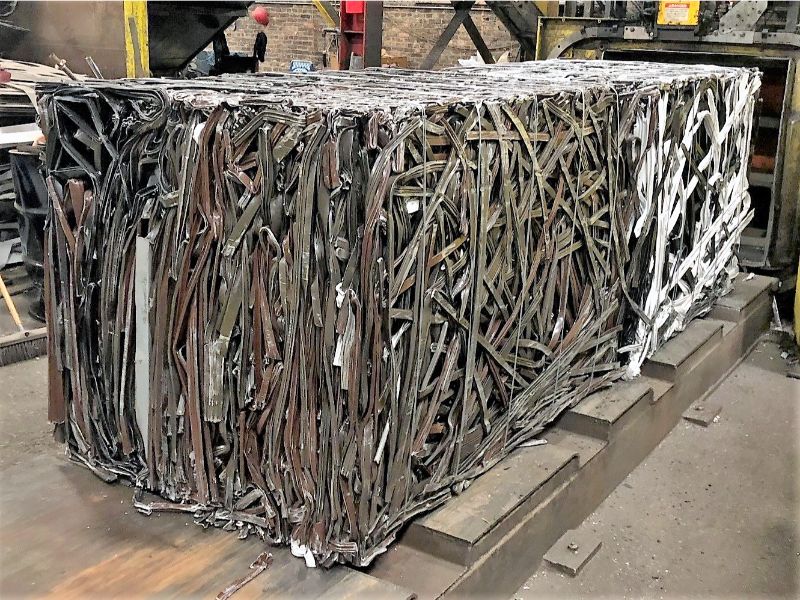
At Greenway Metal Recycling, we’re committed to making the process of industrial scrap recycling as straightforward and efficient as possible. Whether you’re new to recycling or a seasoned pro, understanding the ins and outs of scrap metal recycling can lead to more sustainable practices for your business. Below, we’ve compiled answers to some of the most frequently asked questions about recycling industrial scrap.
1. How Can You Recycle Industrial Scrap Metal in the Most Cost-Effective Way?
Recycling industrial scrap metal is an eco-friendly and cost-effective practice, but maximizing your return on investment requires strategic planning. Here’s how to make the process more efficient and affordable:
- Sort and Identify Valuable Metals
The first step is to separate recyclable metals from non-recyclable ones. This ensures that only valuable materials, like aluminum and copper, are sent for recycling, minimizing waste and maximizing profit. - Categorize Scrap Metal Properly
Make sure to sort your scrap metal into distinct categories, such as aluminum, copper, steel, and others. Proper categorization speeds up the recycling process and eliminates the cost of handling mixed materials, which can slow down operations. - Streamline Collection Methods
Efficient collection is key to reducing transportation and labor costs. Develop a system that allows you to gather scrap from various sources quickly and safely, keeping track of each material’s origin to ensure smooth recycling operations. - Utilize Technology
Leveraging modern technologies like automated sorting machines or robotic arms can significantly improve your operation’s efficiency. Automation speeds up the recycling process, reducing labor costs and increasing overall productivity.
By focusing on these steps, businesses can minimize costs while maintaining an effective and environmentally responsible scrap metal recycling program.
2. What Steps Can I Take to Ensure Employee Safety When Handling Industrial Scrap Metal?
Safety is a top priority when handling industrial scrap metal, as the process can involve sharp edges, hazardous materials, and heavy machinery. To keep your workforce safe, it’s crucial to implement comprehensive safety protocols and provide proper training.
Provide Protective Gear- Before anyone comes into contact with scrap metal, ensure that employees are equipped with the proper personal protective equipment (PPE), such as gloves, safety goggles, and face masks. These will protect them from injuries caused by sharp edges or exposure to harmful materials.
Train Your Team- Training is essential for ensuring that employees understand how to handle scrap metal safely. This includes educating them on the risks associated with different types of scrap and how to manage hazardous materials appropriately.
Regular Inspections and Maintenance- Conduct routine inspections to ensure your facility meets workplace safety standards and waste management regulations. Regular checks will help identify any potential hazards and ensure that all safety protocols are being followed.
Establish Clear Workplace Policies- Create clear guidelines for handling scrap metal, including any tasks like cutting or welding that may be involved. Make sure employees know the proper procedures to follow and enforce these rules consistently across your facility.
Consult with Experts- Consider working with an environmental or safety consultant to stay updated on safety regulations and to get expert advice on maintaining a safe work environment.
By implementing these practices, businesses can significantly reduce the risk of accidents and injuries, ensuring a safer workplace for employees who handle industrial scrap metal.
3. Can Recycling Industrial Scrap Metal Lead to Tax Benefits?
Recycling industrial scrap metal can offer more than just environmental benefits—it can also lead to financial savings through potential tax incentives. Understanding the tax advantages available for scrap metal recycling can make the process more cost-effective for your business.
Tax incentives for recycling vary depending on where you’re located. Different states have their own regulations, so it’s important to check local laws to discover any available savings. For example, some states offer tax credits for recycling specific items like lead-acid batteries or catalytic converters. In addition, businesses might be able to claim deductions for transportation costs related to recycling or donations to nonprofits focused on environmental preservation.
By researching available tax breaks in your area, you can potentially save money on your recycling efforts while also supporting sustainable practices.
4. What Are the Best Ways to Reduce Transportation Costs for Scrap Metal Recycling?
As a business owner, managing transportation costs for your scrap metal can have a big impact on your bottom line. The good news? With some planning and the right partners, you can streamline logistics and save money while still recycling responsibly.
Start by organizing your scrap collection more efficiently. If possible, store scrap metal in a centralized area to allow for larger, less frequent pickups. This cuts down on repeated trips and lowers fuel and labor expenses. It’s also smart to schedule pickups during slower production periods when you can accumulate more material.
Next, compare pricing from multiple scrap metal recyclers or haulers. Some companies may offer better rates if you’re flexible on pickup times or if you’re providing large quantities. Be sure to ask if they offer transportation assistance or charge extra fees—knowing this upfront can help you make a cost-effective choice.
If you’re located near other businesses that also recycle scrap, consider teaming up to coordinate joint pickups or shared containers. Collaborating this way can reduce haul costs for everyone involved.
Reducing your transportation costs comes down to being organized, building strong relationships with your recycler, and looking for creative ways to move material efficiently. Every dollar saved in logistics helps improve your margins—and supports a more sustainable operation.
5. What Are the Most Effective Ways to Store Industrial Scrap Metals?
Proper storage of industrial scrap metals is essential for both efficiency and safety. With the various shapes, sizes, and weights of scrap pieces, it’s important to plan your storage system carefully to avoid complications down the line.
First, consider where you will store the materials. Whether indoors or outdoors, the environment can affect the condition of the scrap metal and safety. For example, outdoor storage may expose materials to the elements, leading to rust or degradation. You’ll also need to ensure workers have a safe environment, as scrap metal can have sharp edges or hazardous residues.
Choosing the right containers for storage is another important factor. Options like steel cages or sturdy cardboard boxes can help organize and store materials safely while maximizing available space. Sorting your scrap by type and size before storage will make retrieval easier and faster when it’s time to sell or transport the metals.
If hazardous materials are part of your scrap, additional precautions must be taken to safely handle, store, and dispose of these items. By planning ahead, you can reduce storage and transportation issues and ultimately lower operational costs.
Partner with Greenway Metal Recycling for Smarter, Greener Business Solutions
By recycling industrial scrap, businesses not only reduce costs but also help protect the environment. At Greenway Metal Recycling, we’re here to help you navigate the recycling process and maximize the benefits for your business and the planet.
Contact us today to learn more about how our recycling services can support your sustainability goals!